About the group
The research group was established in order to continue and expand upon the work done by the ERC-project NEWCONT (2012-2016). The group consists of the Faculty of Theology's scholars working in the field of Coptology, and their external collaborators. The group organizes seminars and reading groups and supports ongoing research and PhD-work, as well as the creation and hosting of new projects in Coptology. At present, the group hosts the ERC-project APOCRYPHA (2020-2026).
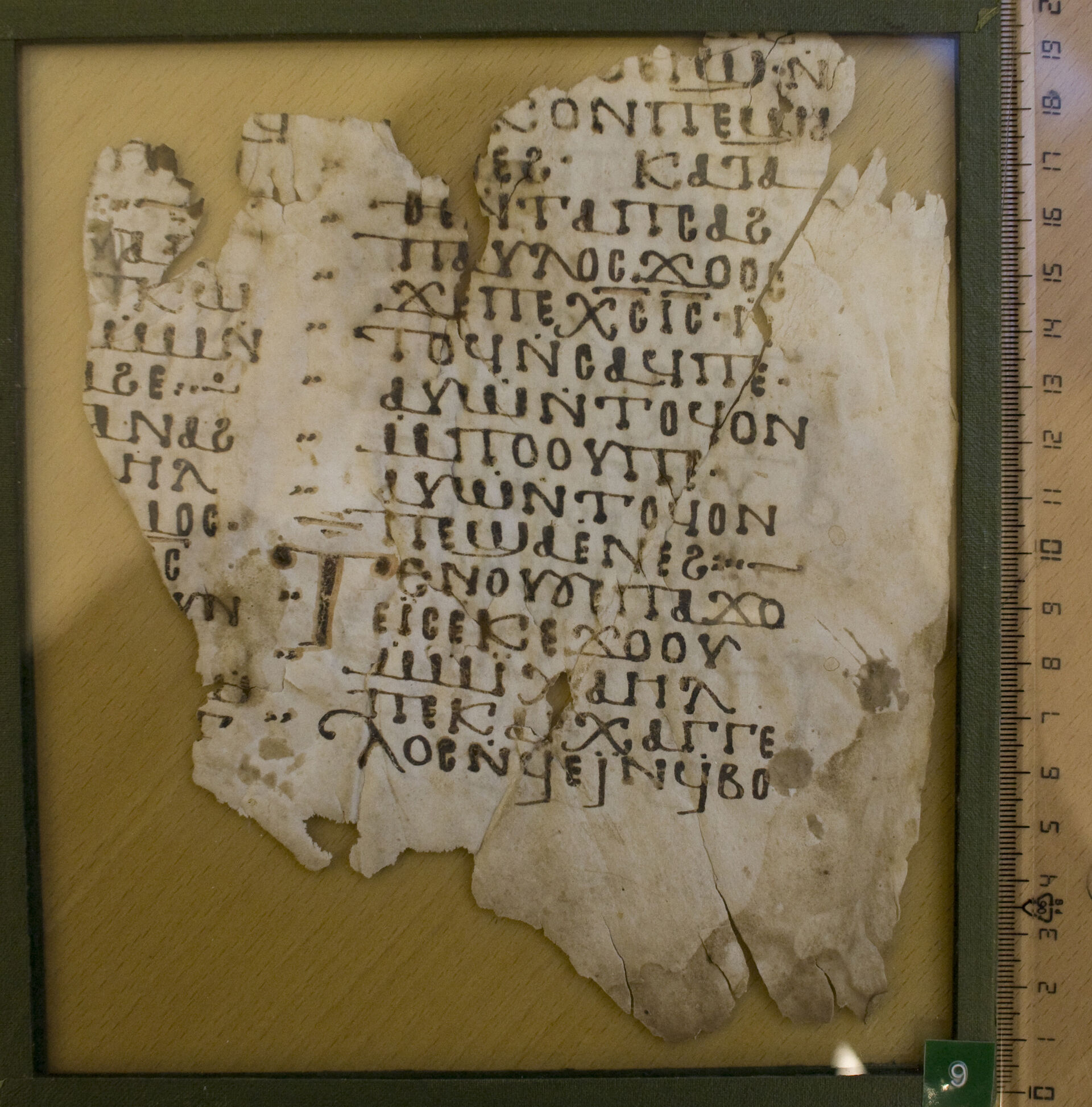
The focus of the group is mainly Coptic texts preserved in papyrus, parchment, and paper manuscripts produced in Egyptian monasteries from the fourth to the thirteenth century. These include texts composed in Coptic as well as literature translated into Coptic from other languages, mainly Greek. In addition, the research group also works on monastic letters and documentary texts.
The group organizes workshops and seminars, as show in this picture from the international workshop on Apocrypha and Monastic Literary Culture held 18-20 June 2019. 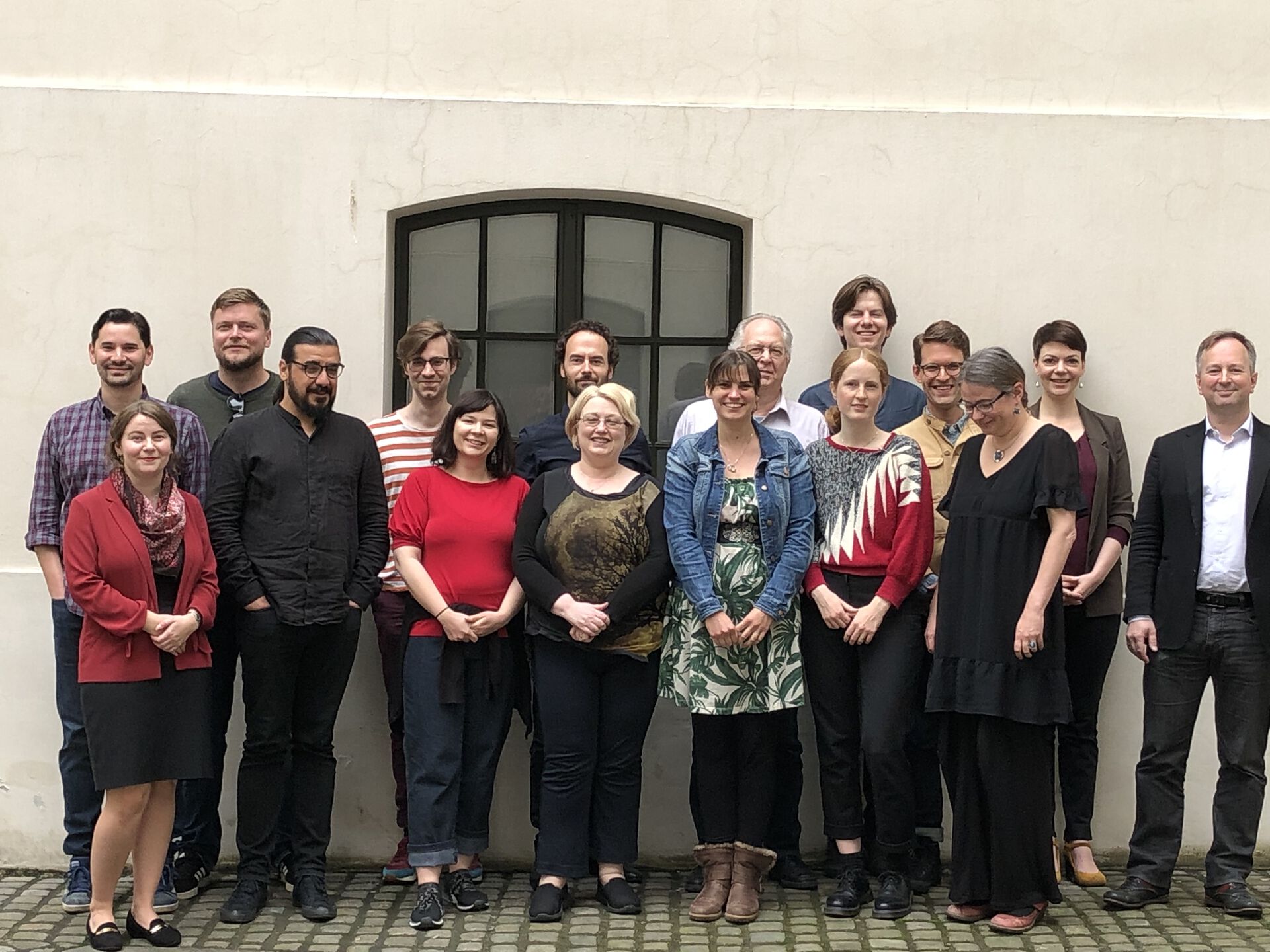
The group also gets together for weekly Coptic reading sessions. Currently, the group reads Pseudo-Cyril of Jerusalem's homily On the Honor of the Cross in a manuscript from the Monastery of the Archangel Michael in the Fayyum; Previously the group has read Pseuod-Evodius of Rome, On the Dormition of the Virgin Mary, as well as an unidentified homily on the Virgin Mary, preserved fragmentarily in the remains of three medieval Coptic manuscripts, the apocryphal work The Death of Joseph the Carpenter in Bohairic from a manuscript deriving from the Monastery of Macarius at Wadi Natrun; the Coptic translation of Athanasius' 39th Festal Letter; Faith Wisdom from the Askew Codex; the Prayer of Mary at Barthos; Pseudo-Chrysostom, On the Four Bodiless Living Creatures; the Nature of the Rulers from Nag Hammadi Codex II; the Book of Thomas and the Gospel of Thomas from the same codex; the Investiture of the Archangel Michael, preserved in three Coptic manuscripts from the ninth and tenth centuries; Pseudo-Timothy of Alexandria's Homily on the Feast of the Archangel Michael, preserved in a tenth-century manuscript deriving from the Monastery of Mercurius at Edfu; the second letter of the Pachomian abbot Theodore, preserved in a parchment roll from the Dishna Papers discovery; and a child-donation document from Thebes. Graduate students who want to practice their Coptic are also welcome to participate in these reading sessions.
.jpg)