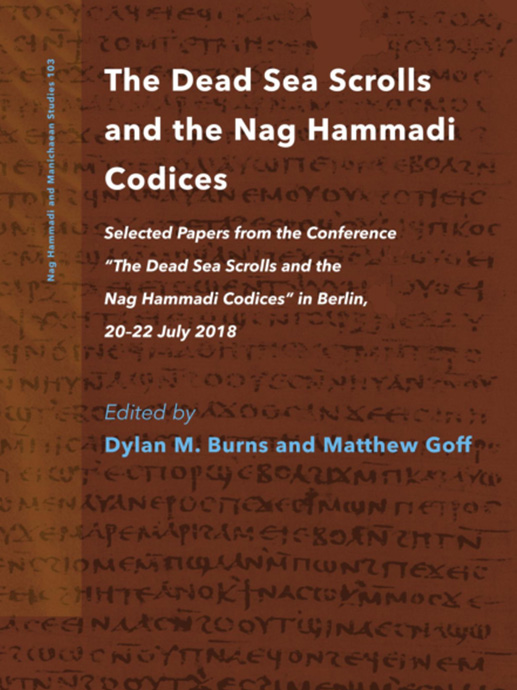
The discoveries of Coptic books containing “Gnostic” scriptures in Upper Egypt in 1945 and of the Dead Sea Scrolls near Khirbet Qumran in 1946 are commonly reckoned as the most important archaeological finds of the twentieth century for the study of early Christianity and ancient Judaism.
2022
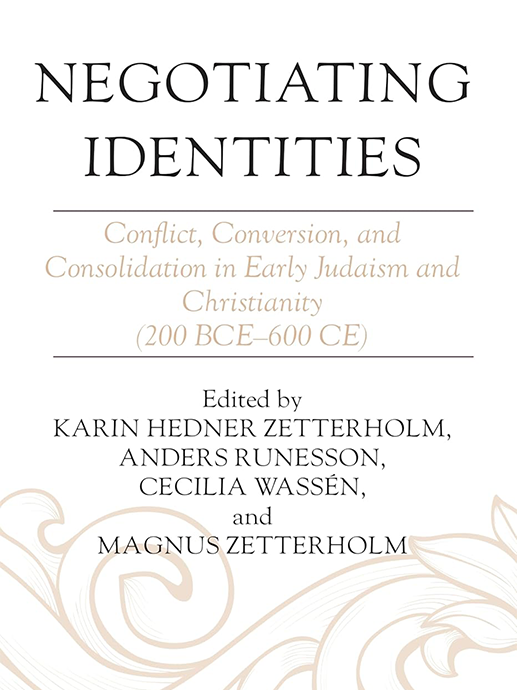
Covering the period from 200 BCE to 600 CE, this book describes important aspects of identity formation processes within early Judaism and Christianity, and shows how negotiations involving issues of ethnicity, stereotyping, purity, commensality, and institution building contributed to the forming of group identities.
For clergy, scholar, and lay person, Paul's letters hold weight and continue to draw in new readers.
Did the Reformation introduce a new approach to philosophy? How did this historical caesura influence key thinkers in the history of modern philosophy up to the twenty-first century?
The contributions in the present volume explore in various ways potentialities and problems linked to imagination's role in the context of religion.
A unique introduction to the developing field of Theology and Qualitative Research. The book includes a chapter from Elisabeth Tveito Johnsen.
This open access book, edited by Anne Hege Grung, contributes to an emerging field that could be referred to as "plural spiritual care and chaplaincy".
Ancient Mesopotamian, biblical, rabbinic, and Christian literature was created and transmitted by the intellectual elite and therefore presents their world views and perspectives.
The book "Global kristendom" from 2018 is now revised and translated to English.
Elisabeth Tveito Johnsen has contributed to the book with the chapter "Empirical practical-theological research – Exploring cultural-historical activity theory".