Rape and sexual violence were systematically employed as instruments of ethnic cleansing and genocide in Bosnia and Herzegovina between 1992 and 1995. It is estimated that between 20,000 and 50,000 girls and women, predominantly Bosniak (Muslim), were subjected to systematic sexual violence. Many were forcibly impregnated and detained in so-called “rape camps” until abortion was no longer legally or medically possible.
The exact number of children born as a result of wartime rape remains unknown, as no official records were maintained. Many of these children were placed in orphanages supported by foreign humanitarian organizations or put up for adoption, while the majority were raised by their mothers under conditions of extreme poverty and social marginalization, exacerbated by the absence of adequate state support.
In this context, the leadership of the Islamic Community in Bosnia and Herzegovina sought to protect rape survivors and children born of rape from discrimination and social stigma. A particularly significant intervention came from Ahmed Mešić, a former Shari’a qadi and Sufi sheikh, who authored A Message to Raped Women. In this text, he recognized rape survivors as martyrs and called upon communities to accept, support, and care for children born of rape, framing their protection as both a moral and religious obligation.
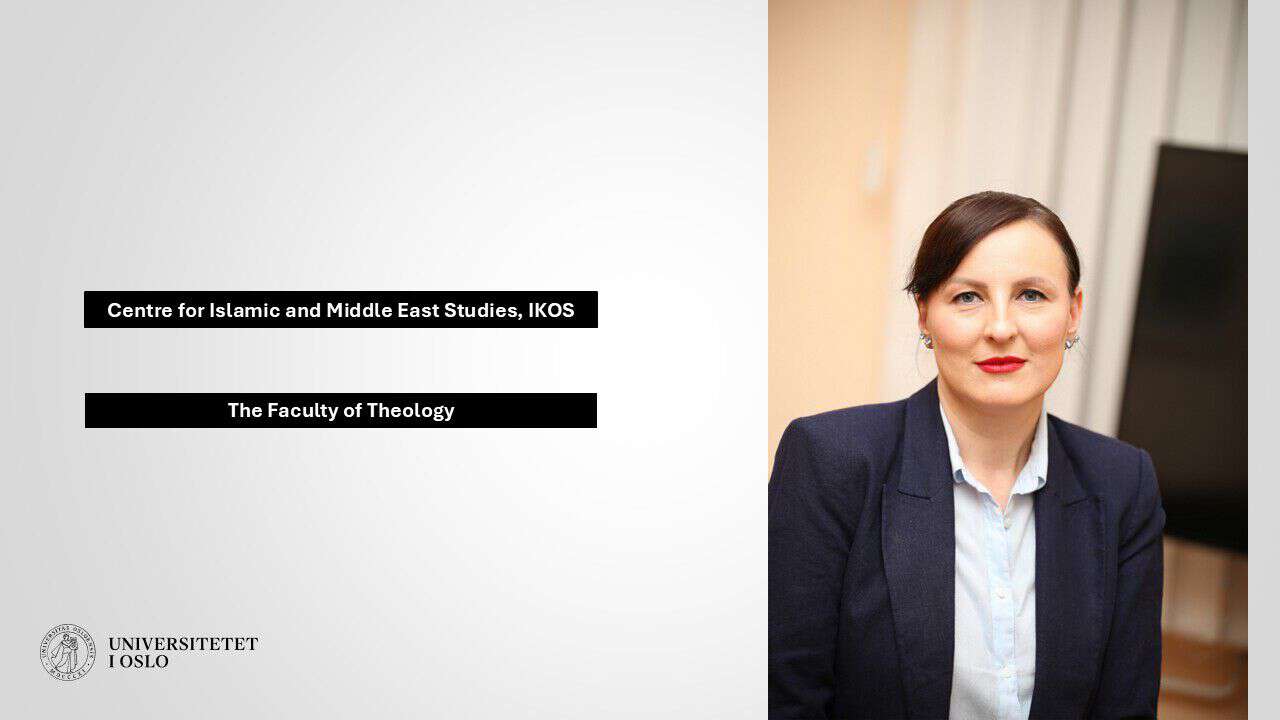
Ehlimana Memišević, PhD, is an Associate Professor at the Department of Legal History and Comparative Law at the Faculty of Law, University of Sarajevo. She holds her BA in Law, and MA and PhD in Legal History and Comparative Law. Her major research interests include Islamic law in the Balkans, the relationship between religion, state and law, and comparative legal cultures, and more broadly Islam in Europe.
Organiser
Centre for Islamic and Middle East Studies and The Faculty of Theology